Veteran-Owned · Concrete Lifting · Void Fill · Soil & Seawall Stabilization · MT / ND / SD / WY
📞 406-939-8301

Seawall & Shoreline Wall Stabilization

Soil washing out behind a seawall, lake or river retaining wall? Water finds the voids, carries the fill away, and the wall starts to fail. We inject expanding polyurethane behind the wall to fill those voids, seal the water paths, and lock the soil back in place — non-invasive, and it preserves the wall you already have. Veteran-owned.

✔ Fills voids behind the wall ✔ Seals water intrusion ✔ Stops soil loss ✔ No tear-out
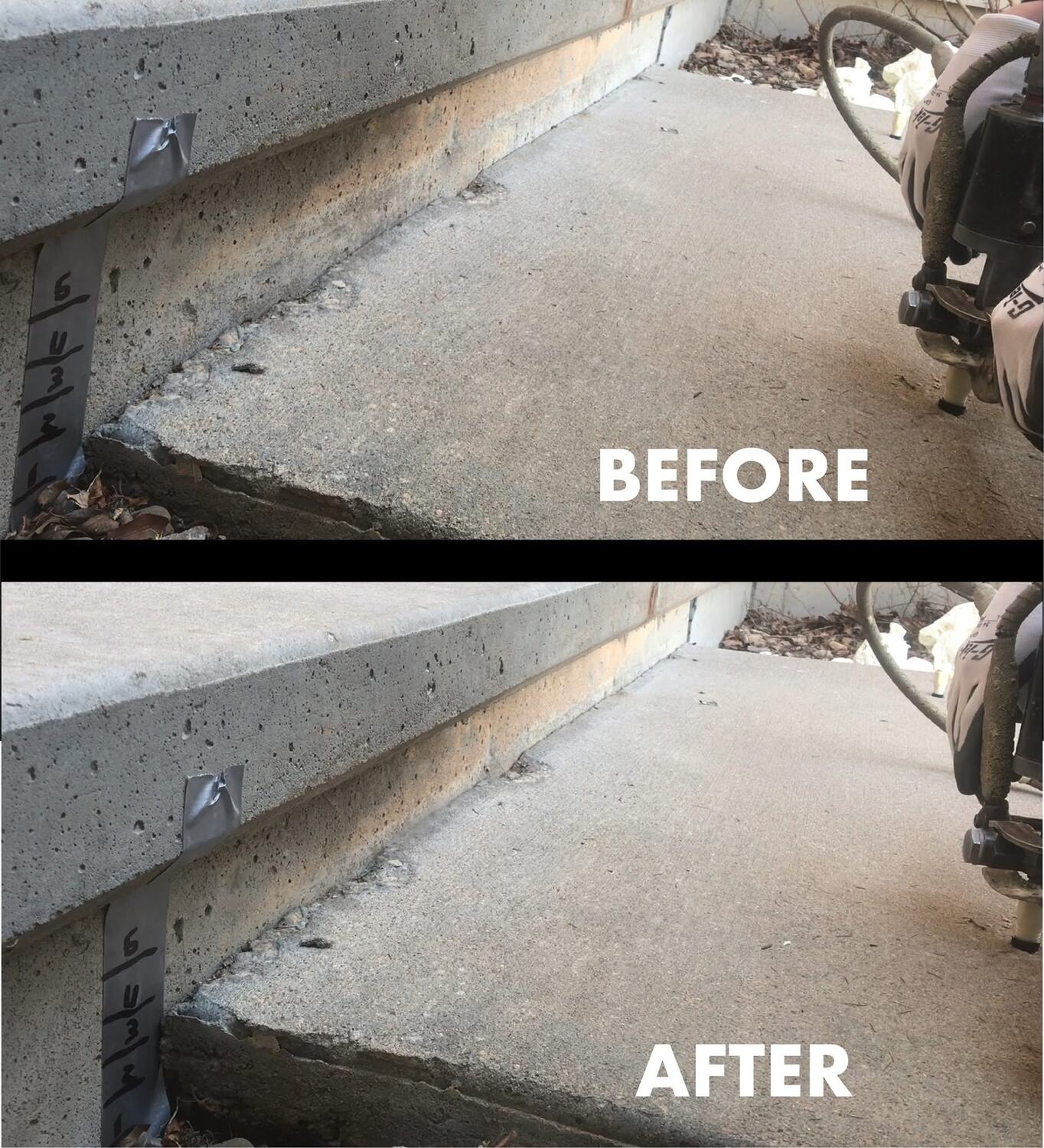
Polyurethane injection sealing voids behind a shoreline retaining wall
Veteran-Owned · Fully Insured · Non-Invasive Polyurethane · Serving the region + travel jobs

How a seawall really fails

The wall usually isn't the first thing to go — the soil behind it is. Wave action, water level swings, and drainage push water through joints and gaps, and it carries the backfill out with it. That leaves voids behind the wall, the ground above sinks, and with nothing holding it, the wall itself starts to lean and crack. Polyurethane injection gets ahead of that: we fill the voids, seal the water paths moving the soil, and re-support the wall — without ripping it out and rebuilding.

🕳️ Fills the voids

Expanding foam flows into the washed-out cavities behind the wall that you can't see until the ground drops.

💧 Seals water paths

Closed-cell polyurethane is hydrophobic — it seals the joints and channels that let water keep pulling soil out.

🧱 Preserves the wall

Re-support the structure you already have instead of a full tear-out and rebuild — faster and far less disruptive.

Where it fits our region

The Northern Plains isn't oceanfront, but it's full of water-retaining structures that fail the same way: lake and reservoir shorelines (Fort Peck, Lake Sakakawea and the Missouri River system), boat-ramp and marina walls, and residential and municipal retaining walls along rivers and lakes. Any wall holding soil back from water can void out behind it — and that's exactly what this fixes. For true coastal seawall work, we travel for the right job.

★ Read & leave Google reviews

Part of the same stabilization toolkit

Seawall work uses the same polyurethane injection as our concrete lifting, void filling, and soil stabilization — the difference is where the water's coming from. We'll assess your wall and tell you straight whether injection is the right call or whether it's past saving.

Common questions

Will this fix a wall that's already leaning?

It depends how far it's gone. Injection re-supports the soil and seals the water paths, which stops the cause and can stabilize a wall that's started to move — but a wall that's structurally failed may be past injection. We'll assess it and tell you straight, not sell you a fix that won't hold.

Does the foam hold up around water?

Closed-cell polyurethane is hydrophobic — it's designed to cure and seal in wet conditions, which is why it works behind walls where water is the whole problem.

Do you have to tear the wall out?

No — that's the advantage. Injection goes in through small ports behind or through the wall, so you keep the wall and skip the tear-out and rebuild.

What does it cost?

It depends on the wall, the void volume, and access — every job is different. Call 406-939-8301 for an assessment and a straight estimate.

📞 Get a free seawall/shoreline assessment — call or text 406-939-8301
Machine Gun Spray Foam & Concrete Lifting, LLC · Veteran-Owned · 2402 N Anderson Ave, Glendive, MT 59330
📞 406-939-8301 · Serving MT / ND / SD / WY · BPI Certified